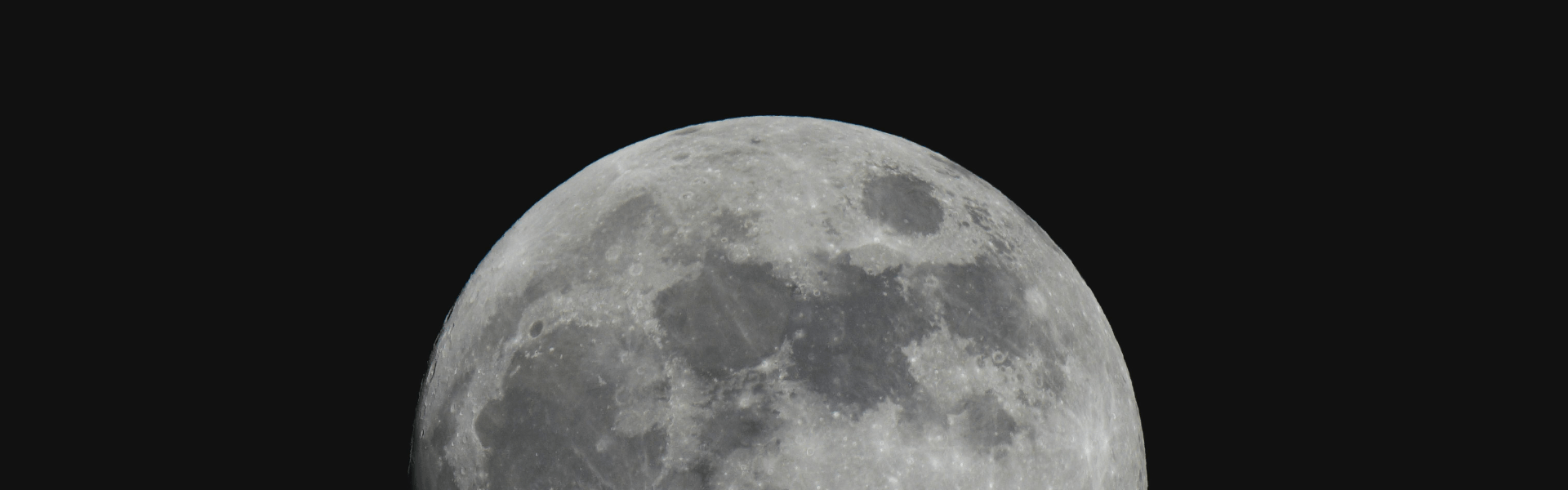
VIGO Photonics has provided key components for the NASA's Artemis program. As part of the Artemis II mission, NASA utilized the company's infrared detectors in the Laser Air Monitor System (LAMS).
The system consists of four individual LAM sensors, each equipped with a VIGO HgCdTe detector (PVI-3-1x1-TO39). These devices enable the precise measurement of total pressure as well as the partial pressures of carbon dioxide, water vapor and oxygen.
The LAMS system monitors air quality within both the crew cabin and the spacesuits. Due to its vital role in crew safety, the entire system has been designated with "Criticality-1R" status. This classification signifies that its reliable operation is essential for the life and safety of the astronauts, as high measurement precision is required to maintain optimal environmental conditions during the mission.
The detectors underwent a rigorous qualification process, including testing for extreme overloads and vibrations during the Space Launch System (SLS) rocket launch, as well as verification of performance in the vacuum of space. The selection of VIGO Photonics technology for the Artemis mission confirms that these solutions meet the global safety and reliability standards required for critical space exploration projects. This participation marks another milestone in the involvement of Polish technology in the mission to return humans to the Moon.
VIGO's Experience in Mars Exploration Missions
The use of detectors in the Artemis program is a continuation of VIGO Photonics' presence in NASA missions. The company's solutions were previously used in the context of Mars exploration. VIGO infrared detectors are part of the instrumentation on the Curiosity rover, specifically within the Tunable Laser Spectrometer (TLS). This instrument is used to analyze the Martian atmosphere, including the detection of methane and other organic compounds. The prior performance of these components in Martian missions and their operation in interplanetary conditions have confirmed the technical parameters of the devices during long-term extra-terrestrial use.